https://rashardiman.github.io
Rashards_iMAN👦🏾
RashardsData👦🏾
👦🏾RashardGDS[MRO/JUNO]
👦🏾💻./CompilingBlog=>
Thaka👦🏾Rashard
RashardLearned📚
👦🏾Rashards_iSS🚀

./HoleToAnotherUniverse=>
July 02, 2026m5rt5
Compiling

Mars Reconnaissance Orbiter : Mission Objectives NASA’s Mars Reconnaissance Orbiter searches for evidence that water persisted on the surface of Mars for a long period of time. ReadMore
Mars Reconnaissance Orbiter (MRO)
Project pdf @BlackgirlsCode i wanna beg @normani on @github to never reply @nasa-pds —
EXCERPTFROM : MRO 31-468 @nasa-jpl @TheSpaceDevs @BlueOrigin
Assuming that the MRO Primary Science Mission extends for 2 Earth years and is supported by
two nominally 8 hour X Band 34 m DSN passes per day and three 70m passes per week, the
spacecraft is capable of returning a total of up to 34 terabits (Tbits) of data, transmitting at rates
which vary throughout the mission from 20 to 100 and back to 20 gigabits (Gbits) of data per
day. The lowest data rates occur at the start of the Primary Science Mission when the EarthMars range is greatest, and the highest data rates occur when the range is small, a period
extending from late October 2007 to June 2008. Table 2 shows telemetry data volumes allocated
to each instrument, based on full mission success criteria of 26 Tb data downlinked for all
instruments combined. It is expected that 34.5 Tb as opposed to 26 Tb of data will be
downlinked. Additional data may be transmitted using X Band 70 m DSN coverage, particularly
early in the mission when data rates are otherwise low. MRO also carries a Ka Band
demonstration package, which can be used on additional DSN passes to augment the nominal
science data return. Additional data would also be acquired during any extended missions. Table
3 shows estimated science product volumes for several data return cases.
The generation of EDRs and RDRs from telemetry data typically results in a data volume
expansion of at least an order of magnitude. Thus, archiving MRO data will be challenging
indeed since at least several hundred terabits of data will be produ
Books
How to compete for NASA contracts @blackgirlscode
Uplink-Downlink A History of the Deep Space Network 1957–1997
Deep Space Telecommunications Systems Engineering 1982
Read You Loud and Clear! The Story of NASA’s Spaceflight Tracking and Data Network
N.A.S.A. space station
@TheSpaceDevs @BlackGirlsCode @emit-sds @stateofcalifornia @cityoflosangeles Library of Congress Control Number: 2019642104 Caption for frame no. 25: Chairman F. James Sensenbrenner Jr., R-Wis., makes his opening statement before the start of the House Science Committee hearing on the space station. ScienceDems @whitehouse @stateofcalifornia


Global Human Built-up And Settlement Extent (HBASE) Dataset From Landsat
Current @ajc @datadesk @nasa @nasa-jpl
flyover @nasa-jpl 
Tetris 1989
Kool DJ Red Alert KISS-FM Broadcast, mid 1980s
i got hit by a car @blackgirlscode @latto

#ConstanciaAribba #ErikaJohnson are missing and #akeevaJohnson @SanBernardinoPD @BlackGirlsCode I got hit &pushed into the street by a @honda n #EastHollywood @nasajpl @normani @latto r u #brotheled? he broke my cart @RepKarenBass @LaurieofMars @Interior https://t.co/49dVc3CO5w pic.twitter.com/rj6m4JcLNF
— ricoThaka (@RicoThaka) February 13, 2025



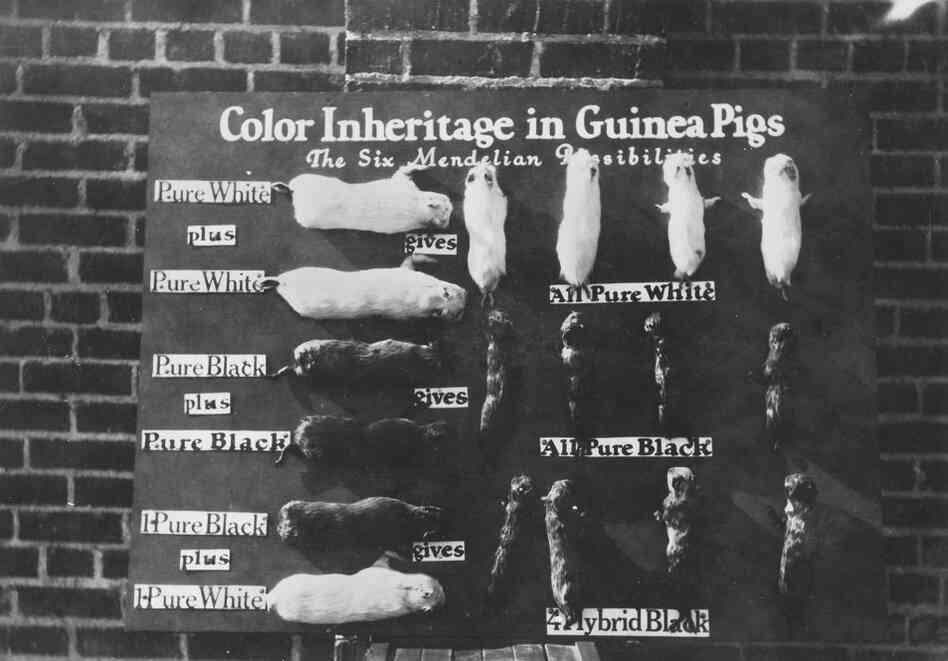
https://t.co/UY1tw9PVav @OlaKaellenius #Application https://t.co/LFdMXloXs4 -#rashard @nasajpl @esa @nickyjenner1 iGot rumors iNeed cleaned up b4 my job @nasajpl gets interrupted I am n a relationship w/@normani that might bc closing out an this job maybe #PartTime! @VeronicaMcG
— ricoThaka (@RicoThaka) March 17, 2025
Black On Both Sides
by Mos Def
  # The Legend of Zelda franchise created by Japanese game designers Shigeru Miyamoto and Takashi Tezuka... [Amazing](https://www.youtube.com/watch?v=Sz_YPczxzZc) [ ](https://upload.wikimedia.org/wikipedia/commons/2/2a/Zelda_Logo.svg)
[Zelda](https://www.nesfiles.com/NES/Zelda/) wow
[FANDOM](https://zelda.fandom.com/wiki/The_Legend_of_Zelda) [WiKi](https://en.wikipedia.org/wiki/The_Legend_of_Zelda) [NinTenDo](https://www.nintendo.com/en-gb/Games/NES/The-Legend-of-Zelda-796345.html)
](https://upload.wikimedia.org/wikipedia/commons/2/2a/Zelda_Logo.svg)
[Zelda](https://www.nesfiles.com/NES/Zelda/) wow
[FANDOM](https://zelda.fandom.com/wiki/The_Legend_of_Zelda) [WiKi](https://en.wikipedia.org/wiki/The_Legend_of_Zelda) [NinTenDo](https://www.nintendo.com/en-gb/Games/NES/The-Legend-of-Zelda-796345.html)

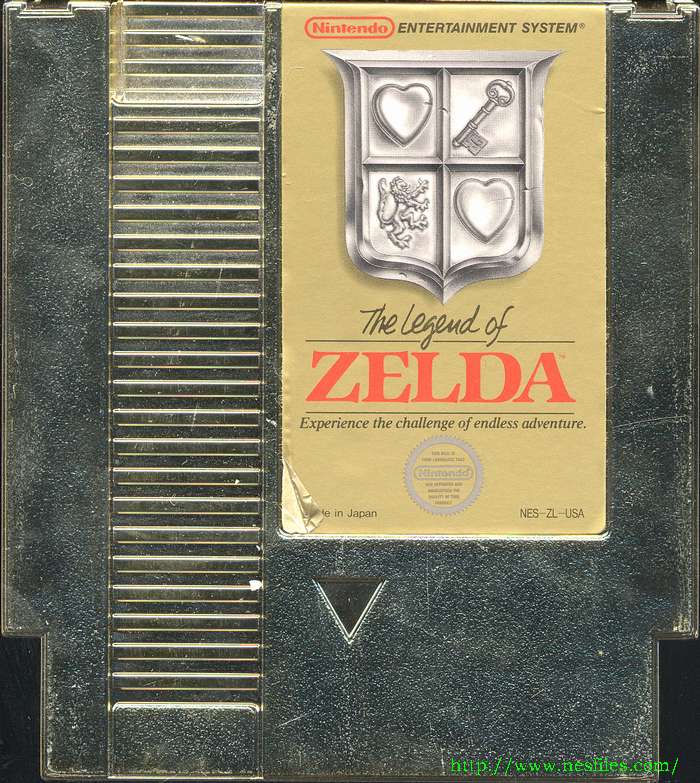 
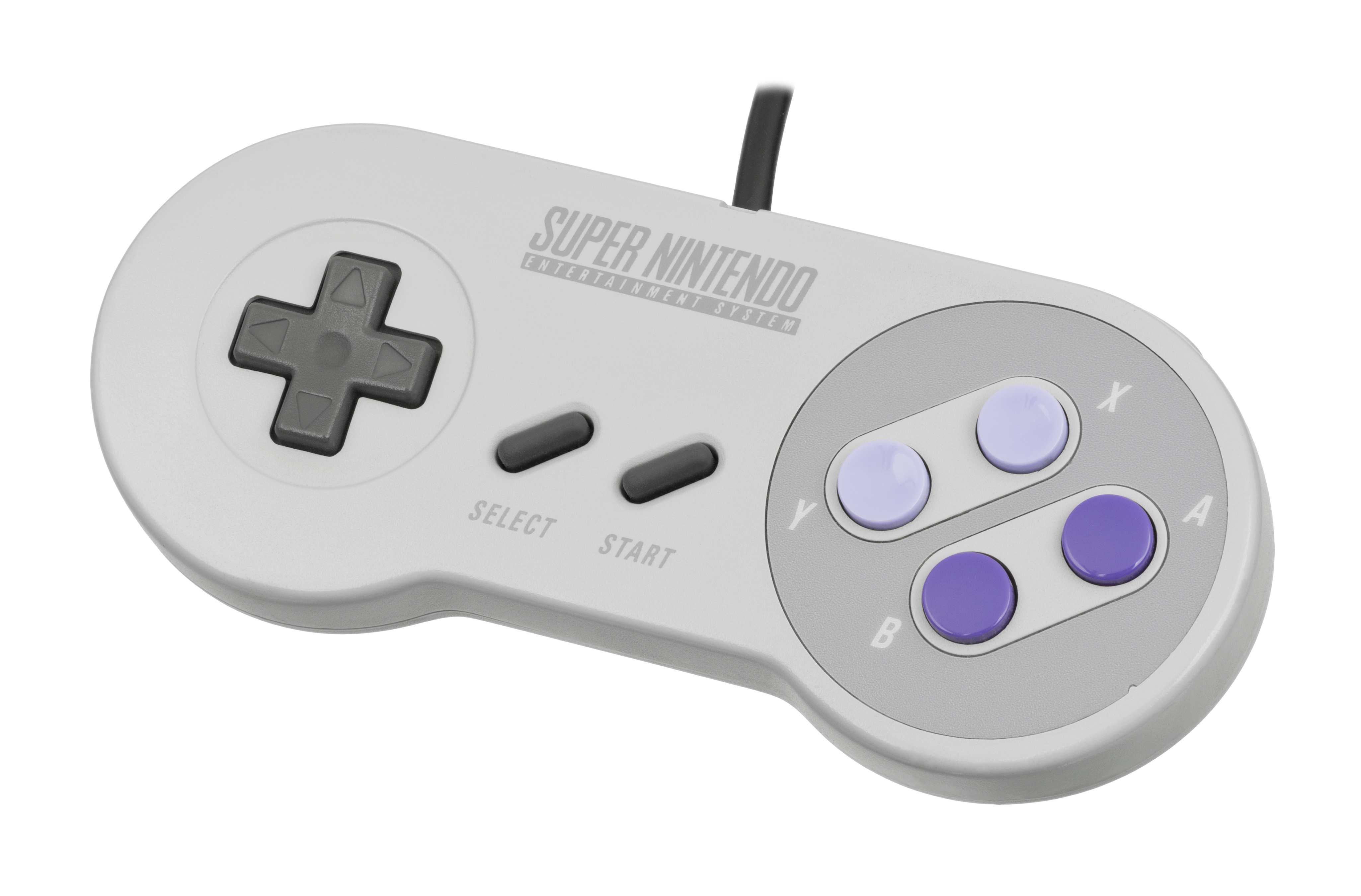

Since i dont have the kingdomhall i like to listen to @deptofdefense an @defcon for sermons check out the [Defcon Media Server](https://media.defcon.org/DEF%20CON%2031/) Kenya know a lot of ppl, idk if they scary tho [Run Tell Dat!](https://www.youtube.com/watch?v=zLmFhBv0Zfc)
[Tekken2](https://cdromance.org/psx-iso/tekken-2-usa/) [FINALFANTASY7](https://cdromance.org/psx-iso/final-fantasy-vii-usa-2/) [PARASiTEEVE](https://cdromance.org/psx-iso/parasite-eve-usa/) [ACECOMBAT3](https://cdromance.org/psx-iso/parasite-eve-usa/) [Rayman (USA) PSX ](https://cdromance.org/psx-iso/rayman-usa/) [ROADRASH](https://cdromance.org/psx-iso/road-rash-usa/) [STRiDERストライダー飛竜](https://cdromance.org/psx-iso/strider-2-usa/) [Batman & Robin](https://cdromance.org/psx-iso/batman-robin-usa/) [Soul Blade](https://cdromance.org/psx-iso/soul-blade-eur/) [Fantastic Four (USA) PSX ](https://cdromance.org/psx-iso/fantastic-four-usa/) [d](https://cdromance.org/psx-iso/d-usa/) [Super Puzzle Fighter II Turbo](https://cdromance.org/psx-iso/super-puzzle-fighter-ii-turbo-usa/) [Battle Arena Toshinden](https://cdromance.org/psx-iso/battle-arena-toshinden-usa/) [Ghost in the Shell ](https://cdromance.org/psx-iso/ghost-in-the-shell-usa/) [Wu-Tang: Shaolin Style (USA) ](https://cdromance.org/psx-iso/wu-tang-shaolin-style-usa/) [Soul Blade (USA) ](https://cdromance.org/psx-iso/soul-blade-usa/) [TOCA World Touring Cars](https://cdromance.org/psx-iso/toca-world-touring-cars-europe/) [Metal Gear Solid [Greatest Hits] ](https://cdromance.org/psx-iso/metal-gear-solid-greatest-hits-usa/) [Einhander (USA)](https://cdromance.org/psx-iso/einhander-usa/) [Formula One Arcade (Europe) ](https://cdromance.org/psx-iso/formula-one-arcade-europe/) [Street Fighter: The Movie](https://cdromance.org/psx-iso/street-fighter-the-movie-europe/) [PaRappa the Rapper](https://cdromance.org/psx-iso/parappa-the-rapper-europe/) [SimCity 2000 (USA) PSX](https://cdromance.org/psx-iso/simcity-2000-usa/) [Street Fighter Alpha 3 (Europe) PSX](https://cdromance.org/psx-iso/street-fighter-alpha-3-europe/) [Martian Gothic: Unification (USA) PSX ISO](https://cdromance.org/psx-iso/martian-gothic-unification-usa/) [Tom Clancy's Rainbow Six: Lone Wolf](https://cdromance.org/psx-iso/tom-clancys-rainbow-six-lone-wolf-europe/) [WipEout (USA) PSX ISO](https://cdromance.org/psx-iso/wipeout-usa/) [Wipeout XL (USA) PSX ISO](https://cdromance.org/psx-iso/wipeout-xl-usa/) [Star Ixiom (Europe) PSX ISO](https://cdromance.org/psx-iso/star-ixiom-europe/)
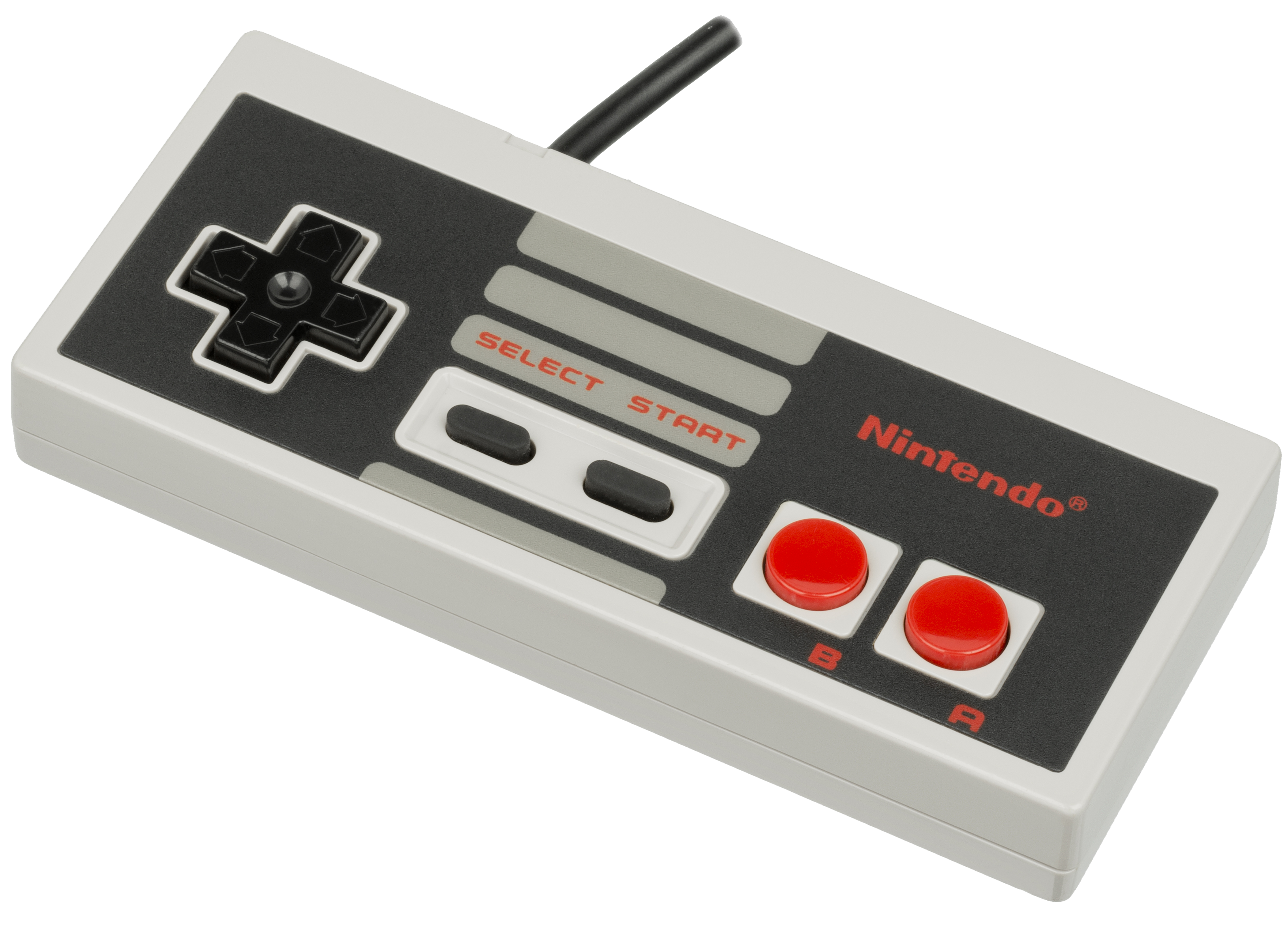



Since i dont have the kingdomhall i like to listen to @deptofdefense an @defcon for sermons check out the [Defcon Media Server](https://media.defcon.org/DEF%20CON%2031/) Kenya know a lot of ppl, idk if they scary tho [Run Tell Dat!](https://www.youtube.com/watch?v=zLmFhBv0Zfc)
[Tekken2](https://cdromance.org/psx-iso/tekken-2-usa/) [FINALFANTASY7](https://cdromance.org/psx-iso/final-fantasy-vii-usa-2/) [PARASiTEEVE](https://cdromance.org/psx-iso/parasite-eve-usa/) [ACECOMBAT3](https://cdromance.org/psx-iso/parasite-eve-usa/) [Rayman (USA) PSX ](https://cdromance.org/psx-iso/rayman-usa/) [ROADRASH](https://cdromance.org/psx-iso/road-rash-usa/) [STRiDERストライダー飛竜](https://cdromance.org/psx-iso/strider-2-usa/) [Batman & Robin](https://cdromance.org/psx-iso/batman-robin-usa/) [Soul Blade](https://cdromance.org/psx-iso/soul-blade-eur/) [Fantastic Four (USA) PSX ](https://cdromance.org/psx-iso/fantastic-four-usa/) [d](https://cdromance.org/psx-iso/d-usa/) [Super Puzzle Fighter II Turbo](https://cdromance.org/psx-iso/super-puzzle-fighter-ii-turbo-usa/) [Battle Arena Toshinden](https://cdromance.org/psx-iso/battle-arena-toshinden-usa/) [Ghost in the Shell ](https://cdromance.org/psx-iso/ghost-in-the-shell-usa/) [Wu-Tang: Shaolin Style (USA) ](https://cdromance.org/psx-iso/wu-tang-shaolin-style-usa/) [Soul Blade (USA) ](https://cdromance.org/psx-iso/soul-blade-usa/) [TOCA World Touring Cars](https://cdromance.org/psx-iso/toca-world-touring-cars-europe/) [Metal Gear Solid [Greatest Hits] ](https://cdromance.org/psx-iso/metal-gear-solid-greatest-hits-usa/) [Einhander (USA)](https://cdromance.org/psx-iso/einhander-usa/) [Formula One Arcade (Europe) ](https://cdromance.org/psx-iso/formula-one-arcade-europe/) [Street Fighter: The Movie](https://cdromance.org/psx-iso/street-fighter-the-movie-europe/) [PaRappa the Rapper](https://cdromance.org/psx-iso/parappa-the-rapper-europe/) [SimCity 2000 (USA) PSX](https://cdromance.org/psx-iso/simcity-2000-usa/) [Street Fighter Alpha 3 (Europe) PSX](https://cdromance.org/psx-iso/street-fighter-alpha-3-europe/) [Martian Gothic: Unification (USA) PSX ISO](https://cdromance.org/psx-iso/martian-gothic-unification-usa/) [Tom Clancy's Rainbow Six: Lone Wolf](https://cdromance.org/psx-iso/tom-clancys-rainbow-six-lone-wolf-europe/) [WipEout (USA) PSX ISO](https://cdromance.org/psx-iso/wipeout-usa/) [Wipeout XL (USA) PSX ISO](https://cdromance.org/psx-iso/wipeout-xl-usa/) [Star Ixiom (Europe) PSX ISO](https://cdromance.org/psx-iso/star-ixiom-europe/)
